News

CAZ post-election analysis by LCA

17 Jun 2026

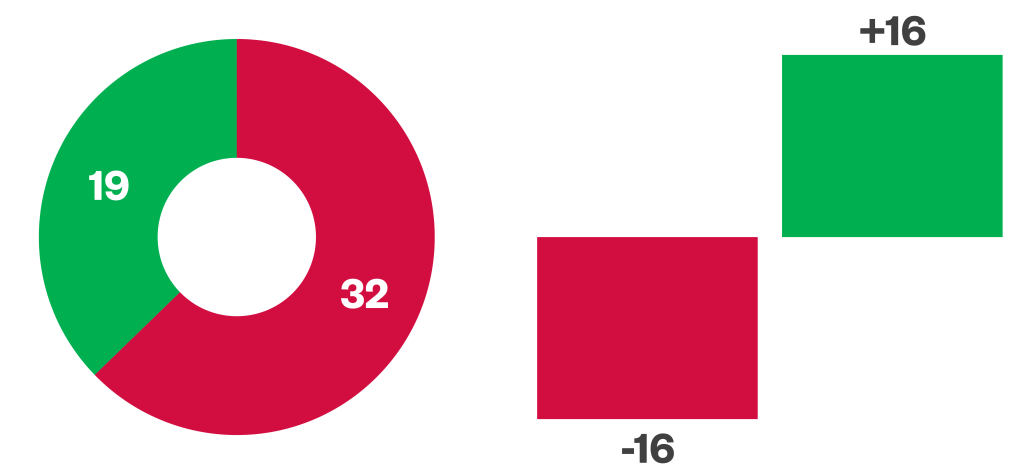
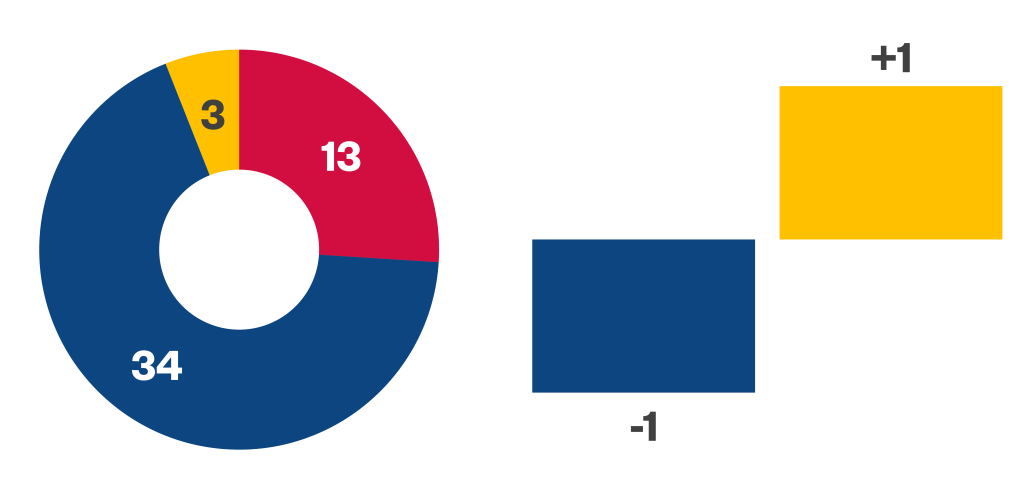
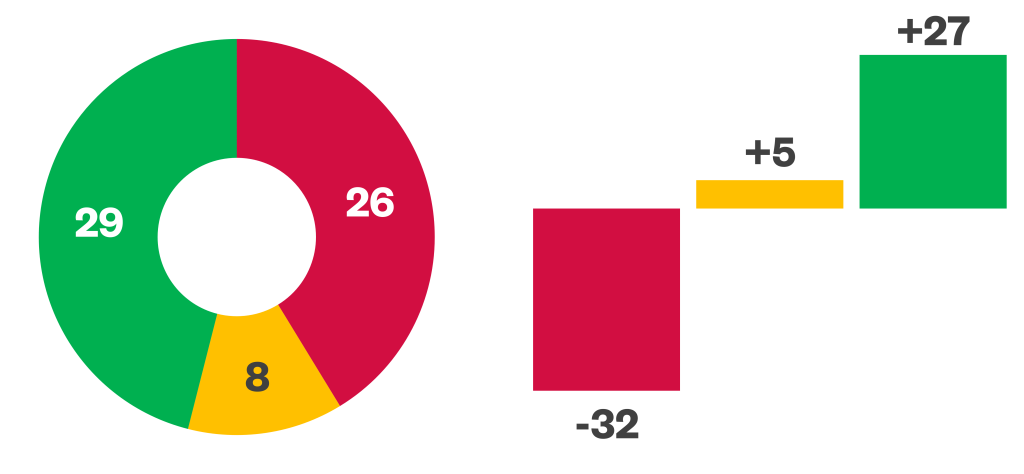
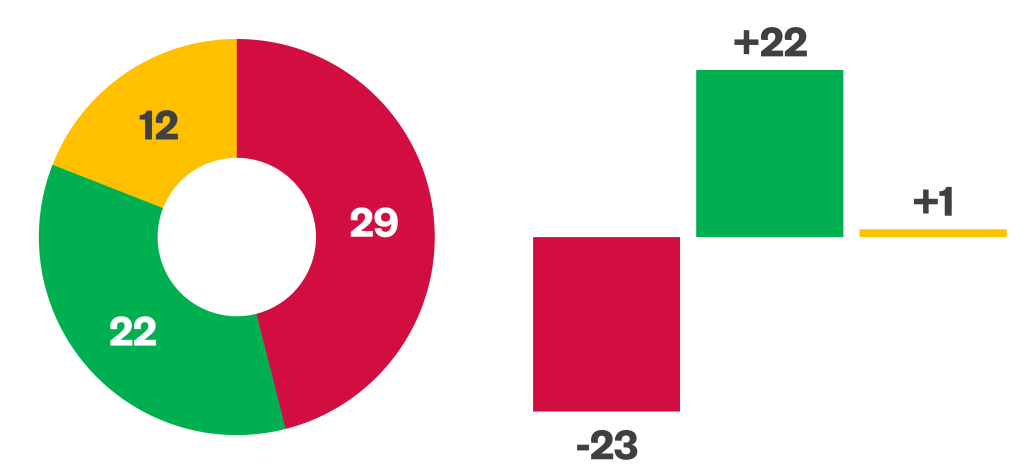
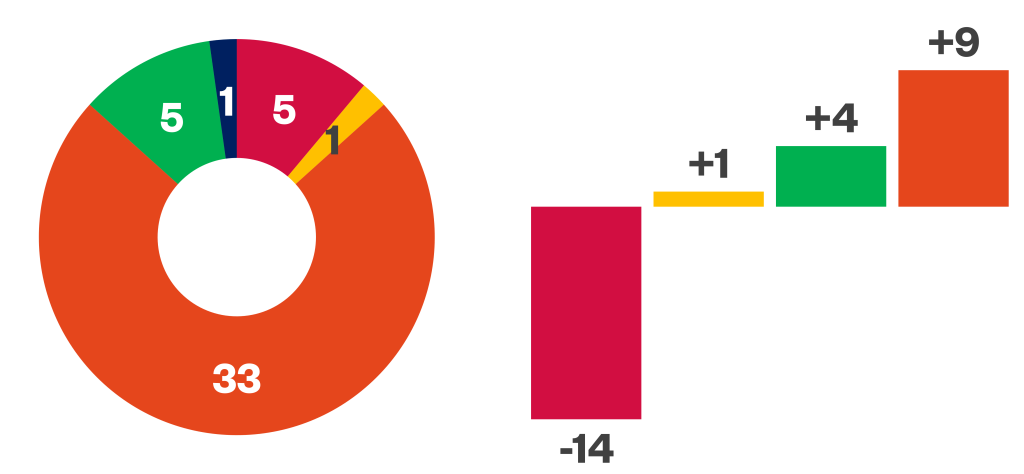
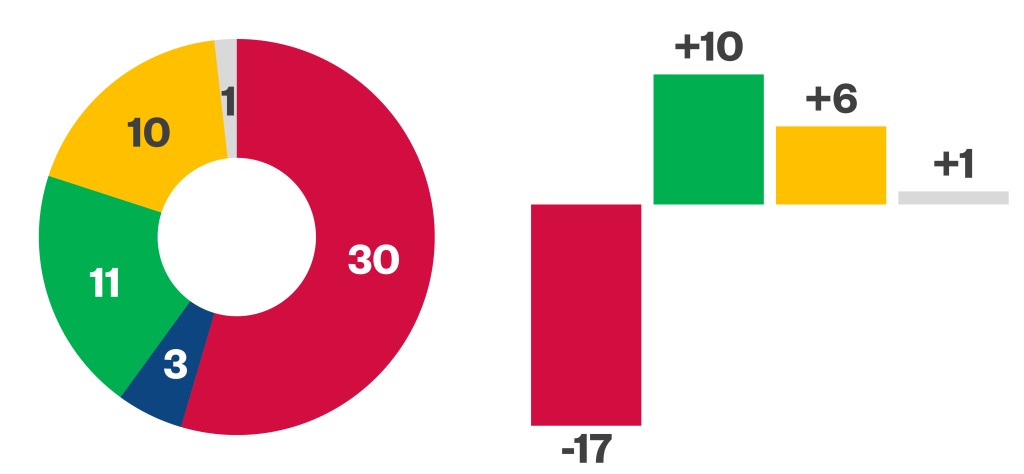
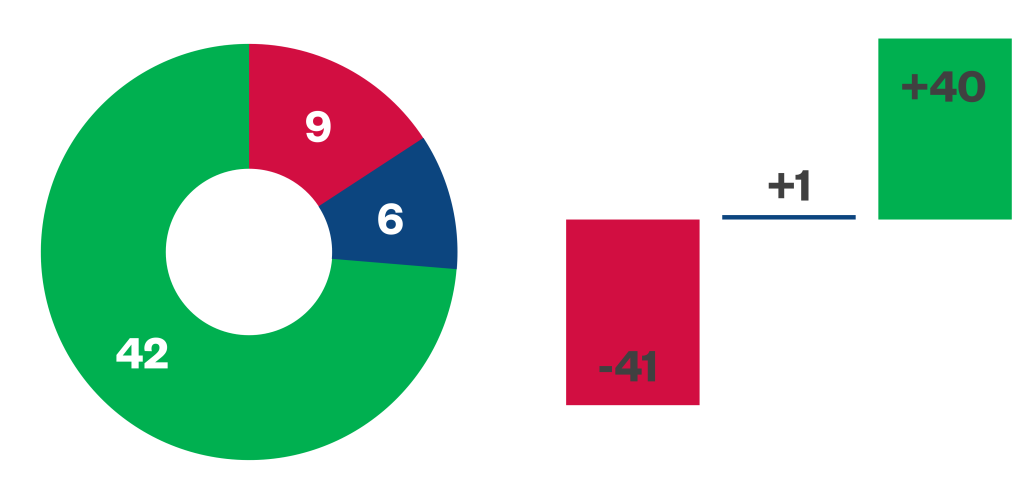
On 7 May, London’s political landscape changed significantly. Labour’s grip on the capital’s town halls weakened, reduced to controlling just 9 boroughs outright, down from 21 in 2022. Elsewhere, Reform and the Greens won their first-ever London councils. The Lib Dems retained their three southwest boroughs comfortably, while the Conservatives won Westminster back.

Perhaps what is more interesting is the record number of No Overall Control (NOC) boroughs – those where no single party won a majority. In the weeks since election day, discussions between the parties have been ongoing and all 9 have now confirmed their governance arrangements – at least for now, given the precarious arithmetic behind some of the new administrations. Londoners should get used to more uncertainty and instability as these shaky arrangements might not last the full four years.

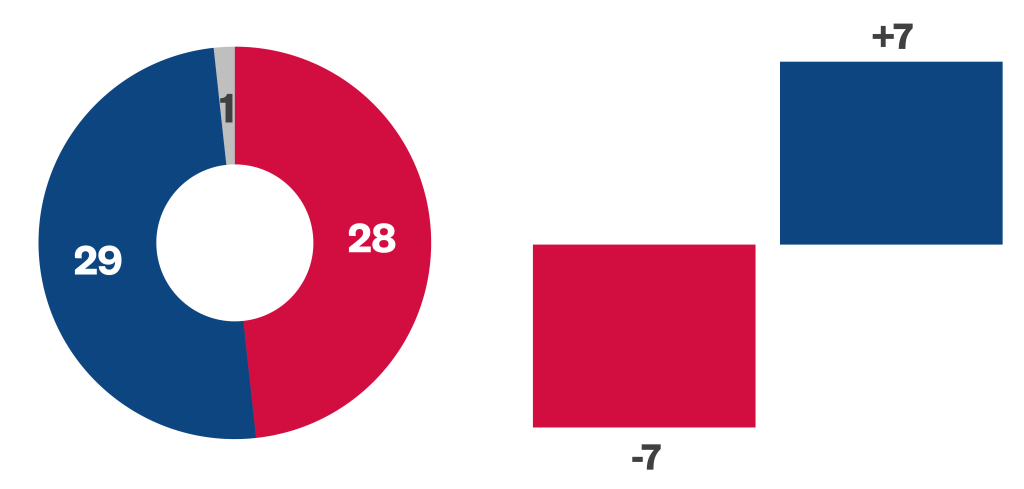
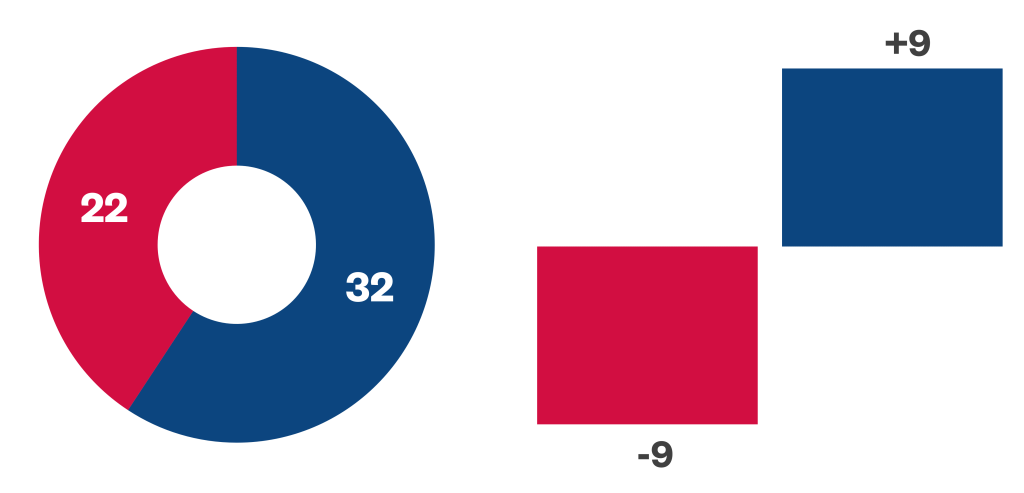
This level of churn is seen nowhere better than in London’s Central Activities Zone (CAZ) boroughs, where five of the nine boroughs changed political control and six have new leaders. As key locations for commercial development, what happens in these boroughs matters to our industry, London’s economic growth and the capital’s appeal to investors.

So, what does all this change at local level mean for planning and development? Smaller majorities and more NOC councils make things much more uncertain and unpredictable. If planning decisions are seen to stall in boroughs, expect the Mayor of London to use his beefed-up powers to intervene and get things moving.
Camden

Labour hold
Leader: Sagal Abdi-Wali (new)

Though Labour managed to retain control of Camden, they do so with a much-reduced majority and a new leader after former leader Richard Olsewski failed to be re-elected.

Expect business as usual in Camden – to an extent. Labour’s reduced majority and more Green and Lib Dem councillors could make planning and development more contentious.

Hackney

Green gain
Leader: Mayor Zoë Garbett (new)

A stunning victory for the Greens in their top target, winning both the Mayoralty and a majority of councillors.

The Greens’ manifesto in Hackney pledged to “keep a closer eye on private developers” and “hold them to account on their contractual obligations”, with a big focus on resident engagement, retrofit over demolition and the delivery of community benefits including affordable workspace.

Islington

Labour hold
Leader: Una O’Halloran

Just like Camden, Labour held on to Islington, albeit with a reduced majority and an emboldened Green opposition, who could make development a more contentious issue.

There shouldn’t be too much change in Islington, but Labour’s manifesto did pledge to ‘hold private developers to account’.

Kensington & Chelsea

Conservative hold
Leader: Elizabeth Campbell

One of the boroughs with the least amount of change, expect business as usual in Kensington & Chelsea under the leadership of Elizabeth Campbell. The Conservative administration has said that they are committed to clearing the ongoing planning backlog in the borough.

Lambeth

No Overall Control (Green minority)
Leader: Martin Abrams (new)

With a new leader and a new minority administration, Lambeth’s politics have changed significantly. The new Green leader Martin Abrams has placed a big emphasis on retrofit and has already said that neither he nor anyone from his team will be attending MIPIM. However, with considerable uncertainty already seen in the first few weeks since the election, and with a fragile minority council, the next four years could prove to be quite rocky in Lambeth.

Southwark

No Overall Control (Green/Lib Dem coalition)
Leader: James McAsh (new)

Southwark is the only borough with a formal coalition, with the Greens’ James McAsh as leader and the Lib Dems’ Victor Chamberlain as Deputy Leader with responsibility for Strategic Planning. Pre-election, the Greens criticised the Labour administration for being “too close” to developers and spoke of being “tougher” on those delivering in the borough. Meanwhile, the Lib Dems pledged to ensure that they “build for people not investors”.

Tower Hamlets

Aspire hold
Leader: Mayor Lutfur Rahman

Aspire tightened its grip on Tower Hamlets, the borough it has run since 2022, meaning that things should be relatively predictable in the borough. Development is generally accepted, on the basis that it is accompanied by the delivery of community benefits.

Wandsworth

No Overall Control (Conservative minority)
Leader: Aled Richards-Jones (new)

The new minority Conservative administration (supported by the single independent councillor in the borough), has said that that they will seek a “constructive relationship” with developers and “ensure developers invest where they build”. With the independent councillor pledging support for the next 12 months only, Wandsworth looks like being on a political knife edge until 2030.

Westminster

Conservative gain
Leader: Paul Swaddle OBE (new)

The only council which the Conservatives gained a majority on 7 May, reclaiming the borough from Labour. New leader Paul Swaddle OBE has pledged to be “actively engaged with the development industry” and “dogmatic” and “practical” in planning matters. Early skirmishes with the Mayor of London over Oxford Street pedestrianisation point towards the West End being a political flashpoint in the coming years.