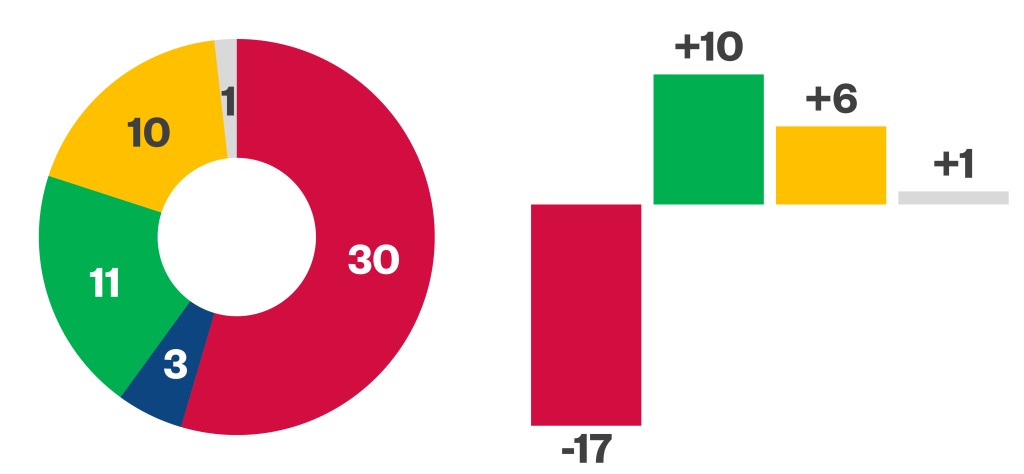
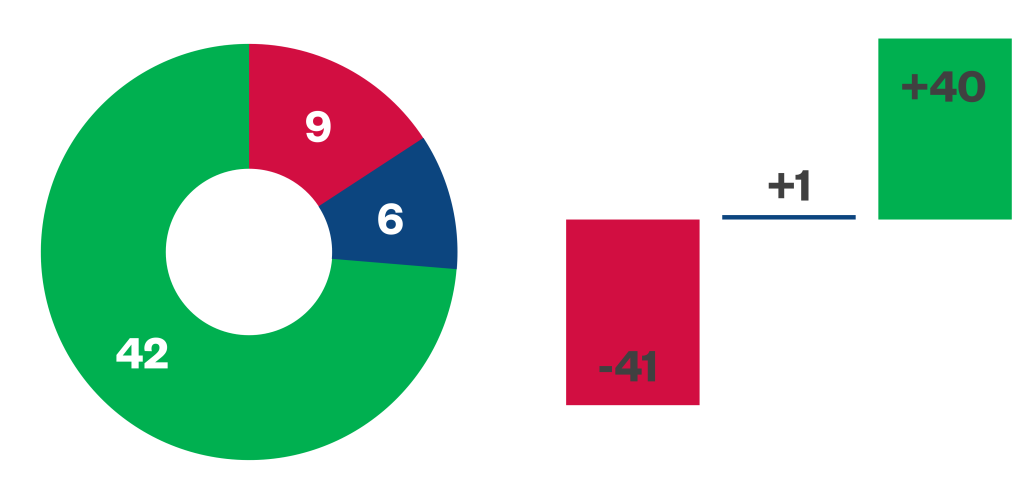
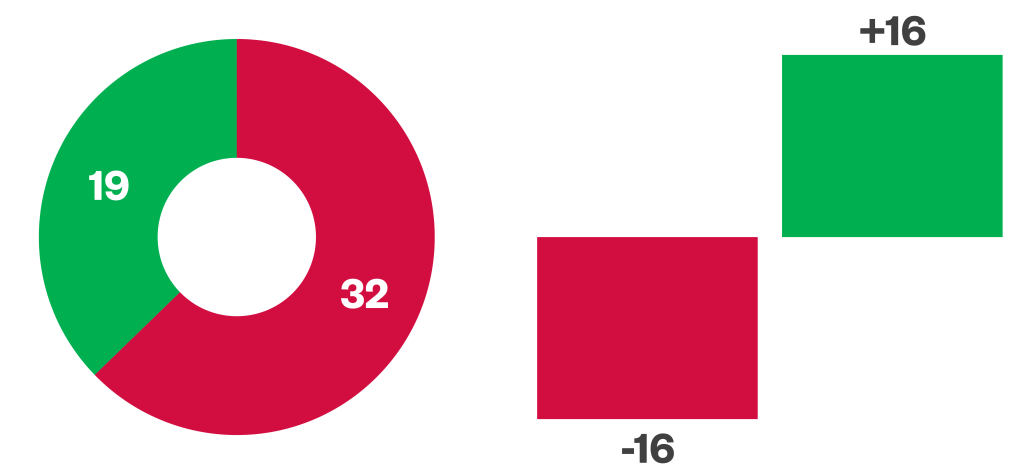
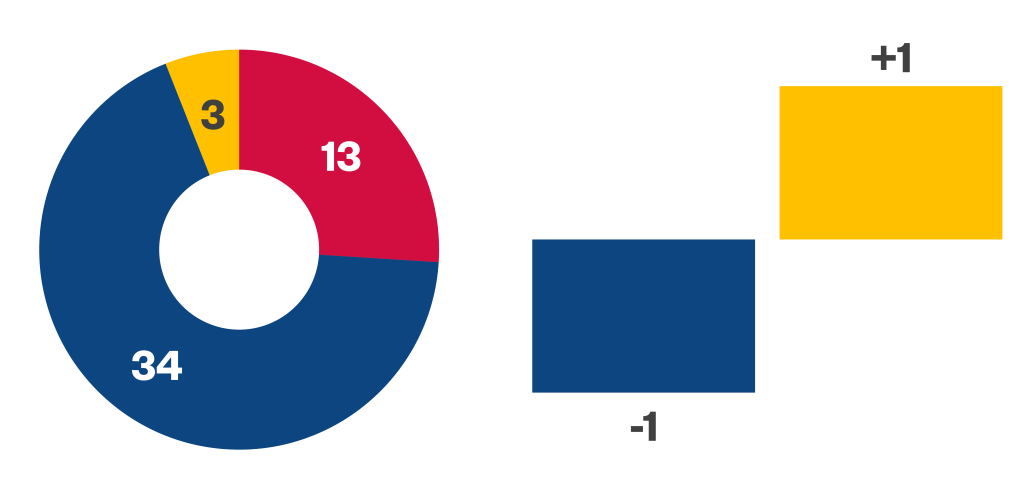
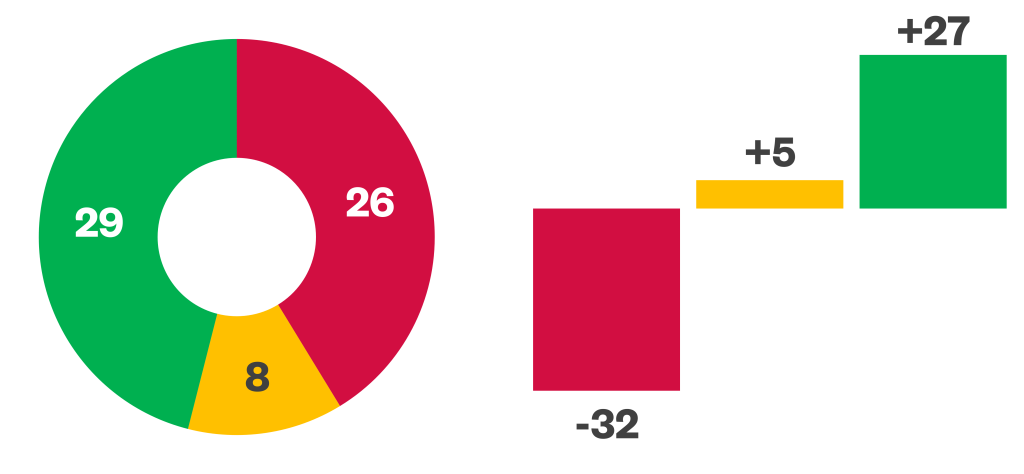
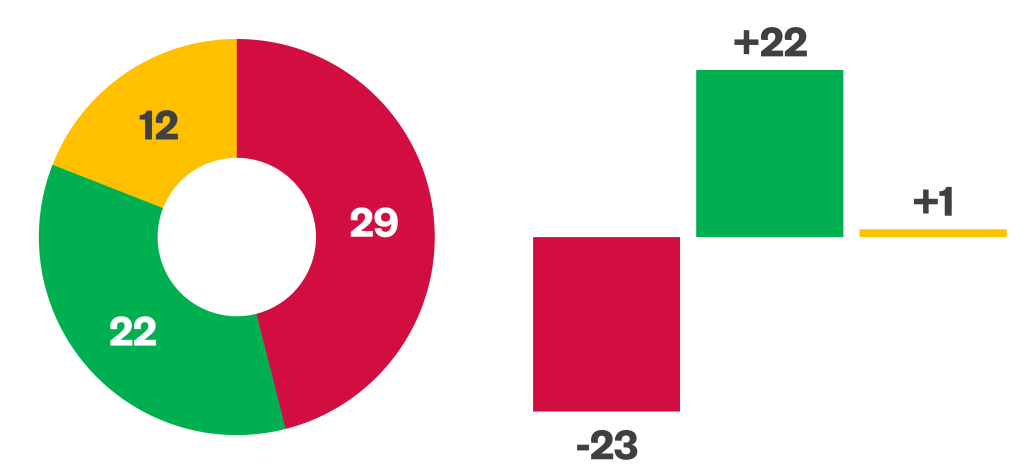
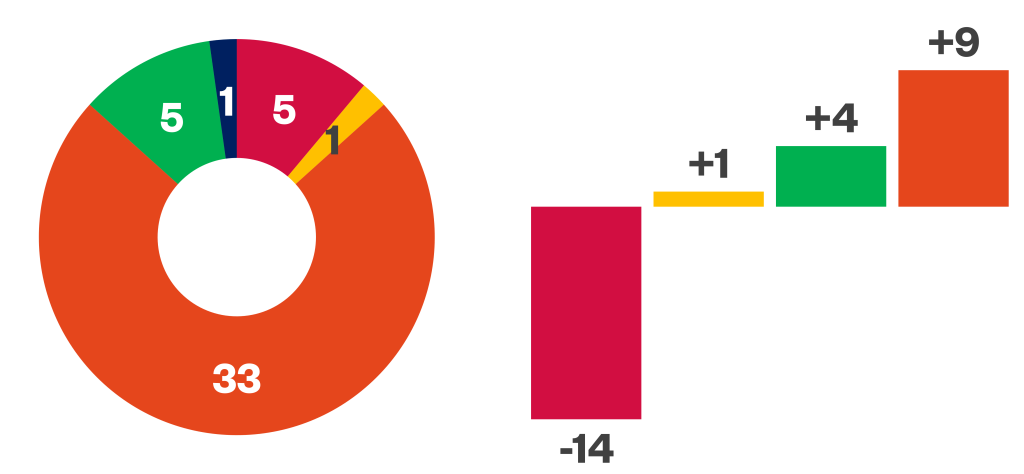
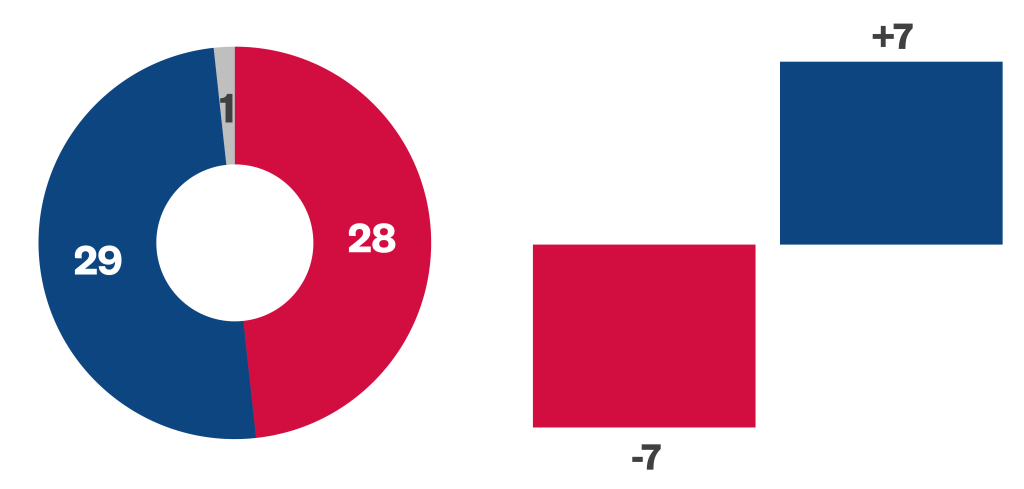
On 7 May, London’s political landscape changed significantly. Labour’s grip on the capital’s town halls weakened, reduced to controlling just 9 boroughs outright, down from 21 in 2022. Elsewhere, Reform and the Greens won their first-ever London councils. The Lib Dems retained their three southwest boroughs comfortably, while the Conservatives won Westminster back.
Perhaps what is more interesting is the record number of No Overall Control (NOC) boroughs – those where no single party won a majority. In the weeks since election day, discussions between the parties have been ongoing and all 9 have now confirmed their governance arrangements – at least for now, given the precarious arithmetic behind some of the new administrations. Londoners should get used to more uncertainty and instability as these shaky arrangements might not last the full four years.
This level of churn is seen nowhere better than in London’s Central Activities Zone (CAZ) boroughs, where five of the nine boroughs changed political control and six have new leaders. As key locations for commercial development, what happens in these boroughs matters to our industry, London’s economic growth and the capital’s appeal to investors.
So, what does all this change at local level mean for planning and development? Smaller majorities and more NOC councils make things much more uncertain and unpredictable. If planning decisions are seen to stall in boroughs, expect the Mayor of London to use his beefed-up powers to intervene and get things moving.